
[contentcards url=”https://historyofyesterday.com/the-year-actually-has-13-months-not-12/” target=”_blank”]
by
For centuries, the Gregorian calendar has been the standard system used to measure time, with its familiar 12-month structure. However, there is an alternative way of dividing the year that challenges this convention. This article explores the concept of a 13-month calendar, its historical background, its potential benefits, and the challenges associated with its implementation.
The Origins of the 13-Month Calendar
Before the establishment of the Gregorian calendar, many ancient civilizations relied on lunar calendars to track time. These calendars were based on the cycles of the moon, which average approximately 29.5 days. As a result, lunar calendars naturally align with a 13-month system, with each month consisting of approximately 28 days.
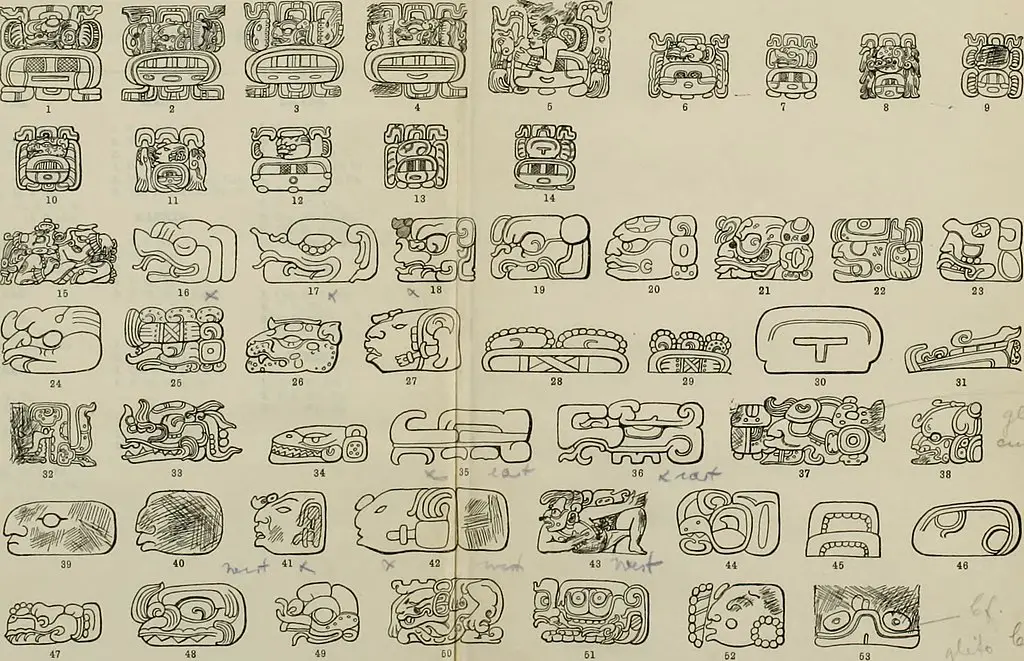
The concept of a 13-month calendar can be traced back to various historical civilizations. The Egyptians, for example, used a 13-month calendar known as the “lunar calendar of Thebes.” Similarly, the Mayans developed a sophisticated calendar system that included 13 months of 28 days each, known as the “Tzolkin calendar.” These examples demonstrate that the 13-month structure has a historical precedent and was recognized as a viable way to organize time.
The Benefits of a 13-Month Calendar
One of the main advantages of a 13-month calendar is its alignment with lunar cycles. Each month would correspond closely to one complete lunar cycle, providing a more harmonious connection between the calendar and natural celestial phenomena. This synchronization could have cultural, religious, and agricultural implications, as many societies traditionally observed lunar-based practices.
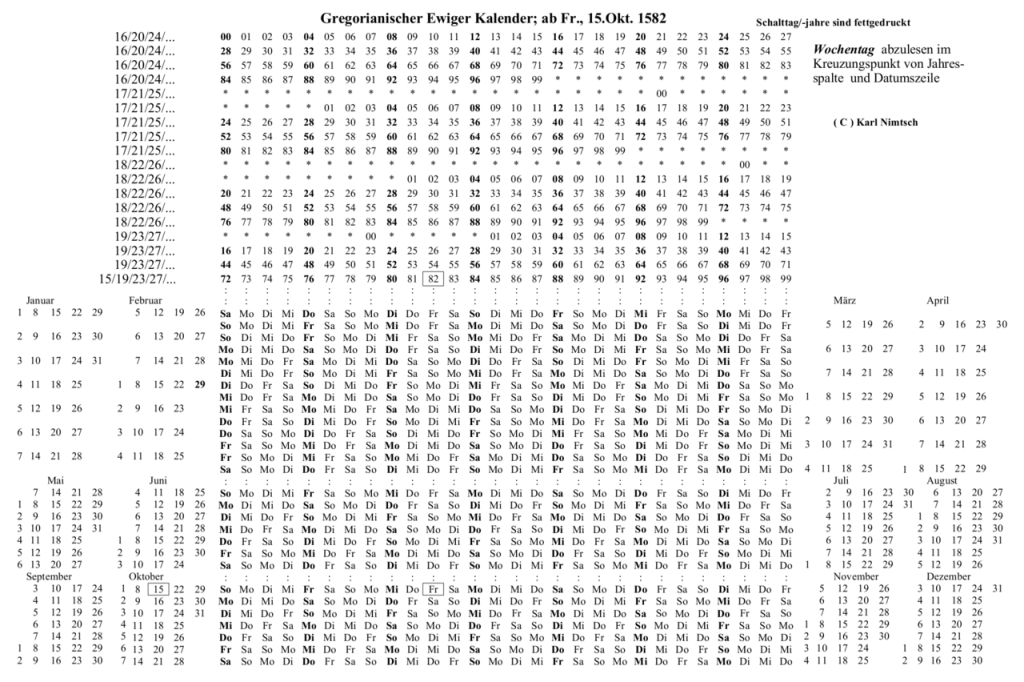
The current Gregorian calendar involves complex calculations to account for irregular month lengths and leap years. In contrast, a 13-month calendar would simplify these calculations. With each month having an equal duration, it becomes easier to divide the year into even segments and plan events, schedules, and financial transactions. This simplicity could enhance efficiency and reduce confusion in various aspects of life.
Challenges and Resistance
Implementing a 13-month calendar would require significant adjustments and coordination on a global scale. It would entail recalibrating various systems, including financial, legal, and administrative structures that are deeply ingrained in the existing 12-month framework. The transition period would likely be met with resistance and logistical challenges, as societies adapt to the new system.
The current calendar system holds cultural and historical significance for many societies. It has been widely accepted and integrated into religious and social traditions. Changing to a 13-month calendar would disrupt these established practices and potentially face resistance from those who value the historical and cultural connections associated with the current system…
READ FULL ARTICLE HERE… – History of Yesterday

Live Stream + Chat (zutalk.com)
Home | Caravan to Midnight (zutalk.com)